The Rich Cultural Heritage of Nyonya4D
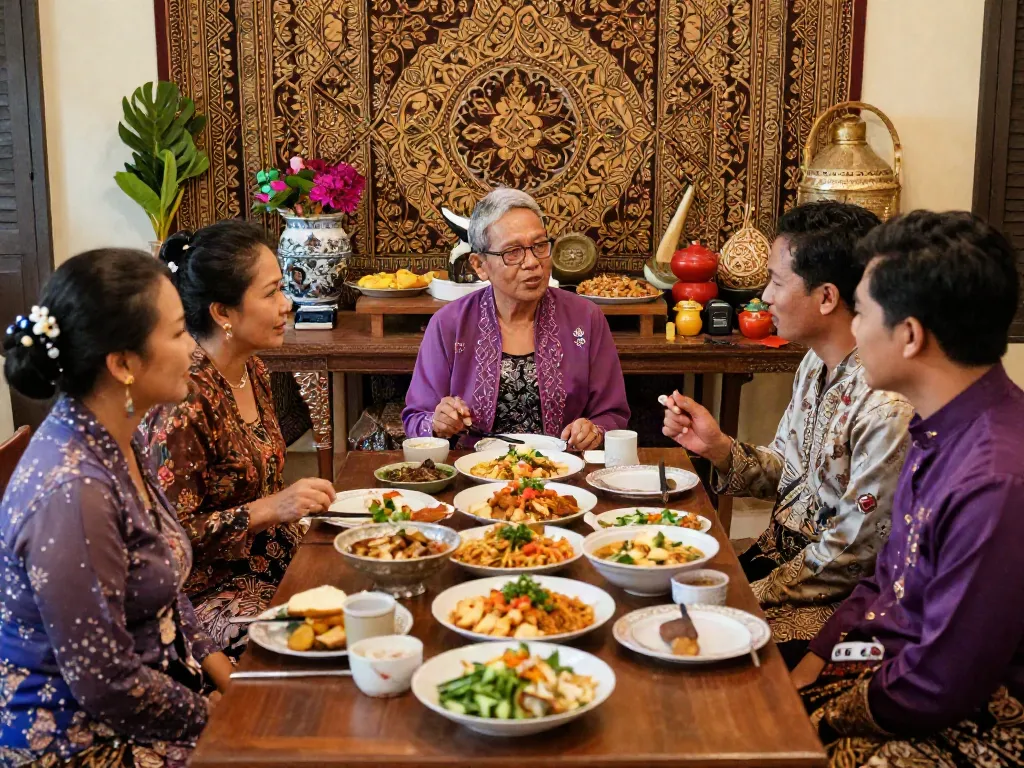
The Nyonya culture, a unique blend of Chinese and Malay traditions, is a vibrant testament to the region's rich history and diversity. This cultural heritage is especially celebrated through its distinctive cuisine, attire, and festivals. The term nyonya4d encapsulates this cultural richness, drawing attention to the ways these traditions are expressed and preserved. As we explore the various facets of Nyonya culture, we delve into its culinary roots, traditional attire, and the vibrant festivals that keep its legacy alive.
Understanding the Roots of Nyonya Cuisine
Nyonya cuisine, also known as Peranakan cuisine, is an intricate blend of Chinese and Malay culinary practices. It emerged from the intermarriage of Chinese immigrants and local Malays in the 15th century. The cooking style is characterized by the use of a variety of spices, herbs, and fresh ingredients that give Nyonya dishes their distinctive flavors. Common ingredients include lemongrass, galangal, and chili, which reflect the use of local ingredients fused with traditional Chinese methods.
One of the hallmark dishes of Nyonya cuisine is Laksa, a spicy noodle soup that highlights the balance of flavors and aromas that are foundational to this culinary tradition. Understanding the roots of Nyonya cuisine means appreciating the historical journey and the blending of these two rich cultures that have produced a food experience like no other.
Exploring Traditional Attire and Its Significance
The attire of the Nyonya community is as vibrant and intricate as its cuisine. Nyonyas, the female descendants of the Peranakan community, are often seen wearing the kebaya, a traditional blouse that is beautifully embroidered and often paired with a batik sarong. This attire is not only a reflection of their cultural identity but also signifies their social standing and family heritage.
The kebaya has evolved over the years, adapting new styles while retaining elements of traditional craftsmanship. The artistry involved in creating these garments is a significant part of Nyonya culture, as it combines various textile techniques and showcases the skills passed down through generations.
The Role of Festivals in Celebrating Nyonya Culture
Festivals play a crucial role in preserving and celebrating Nyonya culture. Events such as the Hungry Ghost Festival and the celebration of the Lunar New Year provide opportunities for the community to come together, share traditional dishes, and engage in cultural practices. During these festivals, food takes center stage, with families preparing ancestral recipes that emphasize the importance of culinary heritage.
Moreover, these festivals often include traditional performances, art displays, and craft exhibitions, highlighting the community's artistic expressions and fostering a sense of belonging. By participating in these events, younger generations can learn more about their cultural roots and the significance of their heritage.
Essential Ingredients for Nyonya Cooking
Key Spices and Herbs that Define Nyonya Flavors
The extraordinary flavors of Nyonya cuisine are derived from its unique combination of spices and herbs. Essential ingredients include:
- Turmeric: Adds a vibrant yellow color and earthy flavor to dishes.
- Belacan: A fermented shrimp paste that provides a distinct umami essence.
- Sambal: A chili paste that serves as a base for many Nyonya dishes, offering heat and depth.
- Pandaan leaves: Used to impart a sweet, floral aroma to rice and desserts.
These ingredients reflect the cultural influences and local resources that shaped Nyonya cuisine, demonstrating its rich culinary tapestry.
Where to Source Authentic Nyonya Ingredients
For those looking to recreate authentic Nyonya dishes, sourcing the right ingredients is essential. Local Asian grocery stores often carry the key spices and herbs integral to Nyonya cooking. Additionally, farmers' markets are a treasure trove for fresh produce, including herbs and vegetables commonly used in Nyonya recipes.
Online retailers specializing in Asian ingredients also provide an accessible option for obtaining authentic items, ensuring cooks can find everything they need to bring the flavors of Nyonya cuisine to their kitchens.
Tips for Preparing Traditional Nyonya Dishes
When preparing traditional Nyonya dishes, attention to detail and a love for cooking are paramount. Here are some tips for home cooks:
- Use fresh ingredients: Quality matters in Nyonya cuisine, so opt for fresh herbs and spices whenever possible.
- Balance flavors: Mastering the balance between sweet, spicy, sour, and salty flavors is key to achieving the authentic taste of Nyonya dishes.
- Practice patience: Many Nyonya recipes require time for marinating and slow cooking to enhance flavors.
These practices will enhance your culinary skills and contribute to a more authentic dining experience.
Experiencing Nyonya4D Through Events and Communities
Upcoming Cultural Festivals in 2026
As we approach 2026, several cultural festivals celebrating Nyonya heritage are on the horizon. These events offer opportunities for communities to come together, share traditional food, and engage in cultural activities. Some notable upcoming festivals include:
- The Penang International Food Festival, which showcases traditional Nyonya dishes alongside contemporary culinary innovations.
- The Chinese New Year Festival in Melaka, featuring vibrant parades, traditional performances, and communal feasts.
- The Nyonya Heritage Festival, celebrating the unique contributions of the Nyonya community through food, art, and culture.
Attending these festivals provides a deeper understanding of Nyonya culture and offers a chance to connect with others who share a passion for this rich heritage.
Connecting with Local Nyonya Communities Online
In today's digital age, connecting with local Nyonya communities can be done more easily through social media platforms and online forums. Many groups share recipes, cultural insights, and host discussions on Nyonya traditions. Engaging with these platforms fosters a sense of community and allows individuals to participate in cultural exchange, regardless of their location.
Furthermore, participating in online workshops or virtual cooking classes can enhance your understanding of Nyonya cuisine while providing opportunities to interact with experienced cooks and cultural ambassadors.
Participating in Workshops and Cooking Classes
For those eager to learn the art of Nyonya cooking, workshops and cooking classes are invaluable resources. Many culinary schools and cultural organizations offer classes where participants can learn traditional cooking techniques and recipes directly from experts. This hands-on experience not only equips you with the skills needed to prepare Nyonya dishes but also deepens your appreciation for the culture behind the cuisine.
Look for local cooking schools or community centers that specialize in Southeast Asian cuisine for a chance to immerse yourself in Nyonya culinary arts.
Best Practices for Enjoying Nyonya Cuisine
How to Pair Nyonya Dishes with Beverages
Pairing Nyonya dishes with the right beverages can elevate your dining experience. Here are some recommendations:
- Tea: Traditional Chinese tea pairs beautifully with many Nyonya dishes, enhancing the flavors without overpowering them.
- Coconut water: A refreshing option that complements spicy dishes and helps balance heat.
- Local beers: Consider pairing Nyonya dishes with craft beers from Southeast Asia to highlight regional flavors.
Experimenting with different beverages can lead to delightful discoveries that enhance your culinary adventure.
Table Setting Tips for Nyonya Dinner Parties
Hosting a Nyonya dinner party involves not just food preparation but also the art of table setting. Here are some tips:
- Use vibrant colors: Nyonya culture is known for its colorful aesthetics, so incorporate colorful tableware and decorations.
- Include traditional elements: Use batik tablecloths or traditional serving dishes to create an authentic ambiance.
- Arrange dishes thoughtfully: Presenting dishes in an appealing manner can enhance the dining experience and encourage guests to explore different flavors.
Creating an inviting atmosphere will make your dinner party memorable and reflective of Nyonya culture.
Respecting Traditions When Hosting Nyonya Meals
Respecting Nyonya traditions when hosting meals is essential for honoring the culture. This includes understanding the significance of certain dishes and the rituals involved in serving them. For instance, certain Nyonya dishes are served during specific festivals, and adhering to these practices demonstrates respect for cultural heritage.
Encourage guests to share their experiences and knowledge about Nyonya culture, fostering a sense of community and appreciation for diverse culinary traditions.
The Future of Nyonya4D: Trends to Watch
Emerging Trends in Nyonya Cuisine for 2026
As we look towards 2026, several trends are emerging within Nyonya cuisine. These include:
- Fusion Cuisine: Chefs are increasingly experimenting with fusion dishes, combining traditional Nyonya flavors with global culinary influences.
- Sustainable Practices: There is a growing emphasis on sourcing local and sustainable ingredients to create eco-friendly Nyonya dishes.
- Health-Conscious Options: With an increased focus on health, many chefs are adapting traditional recipes to include healthier ingredients without sacrificing flavor.
These trends reflect the dynamic nature of Nyonya cuisine and its ability to adapt to modern tastes while preserving its rich heritage.
Influence of Technology on Cultural Preservation
Technology is playing a vital role in the preservation of Nyonya culture. Social media platforms allow younger generations to share their culinary practices and connect with others interested in Nyonya heritage. Online recipes, blogs, and cooking videos serve as resources for those looking to learn or preserve traditional cooking methods.
Moreover, the rise of food delivery services and online cooking classes has made Nyonya cuisine more accessible, helping to introduce this cultural treasure to a broader audience and ensuring its relevance in today's fast-paced world.
How to Keep Nyonya Traditions Alive in Modern Times
Keeping Nyonya traditions alive requires a concerted effort from both the community and individuals. Engaging in cultural practices, such as cooking traditional dishes, participating in community events, and sharing knowledge with others, is essential. Additionally, educating younger generations about the significance of their heritage fosters a sense of pride and ownership over their culture.
Collaboration with cultural organizations to promote Nyonya events, workshops, and festivals will aid in sustaining interest and participation in Nyonya traditions for years to come.
What is the significance of Nyonya4D in today's culture?
Nyonya4D holds significant cultural weight as it represents the intersection of history, identity, and culinary art. In today's world, it serves as a reminder of the rich multicultural tapestry that defines many Southeast Asian communities. This cultural heritage not only enriches the lives of those who practice it but also introduces others to its flavors and traditions, thereby promoting cultural understanding and respect.
How can I learn to cook Nyonya dishes?
Learning to cook Nyonya dishes can be an exciting culinary journey. Start by seeking out local cooking classes or workshops focused on Nyonya cuisine. Many communities also offer online resources, including tutorials, blogs, and recipe videos. Engaging with local Nyonya communities or forums can provide further insights and tips from experienced cooks.
Are there any community events for Nyonya culture?
Yes, many communities host events celebrating Nyonya culture, including food festivals, cultural exhibitions, and cooking competitions. Participating in these events offers a fantastic opportunity to learn more about Nyonya heritage and connect with others who share a passion for its preservation.
What ingredients are essential for Nyonya cooking?
Essential ingredients for Nyonya cooking include a variety of spices, herbs, and fresh produce. Key items such as lemongrass, galangal, turmeric, and belacan are foundational to achieving the distinct flavors characteristic of Nyonya cuisine. Having these ingredients on hand is essential for anyone looking to explore this culinary tradition.
How can I celebrate Nyonya culture at home?
Celebrating Nyonya culture at home can be as simple as cooking traditional dishes, setting up a themed dinner party, or participating in cultural rituals and practices. Incorporating Nyonya art and textiles into your home decor can also serve as a daily reminder of this rich heritage.